How the Czech Republic's official odometer check works
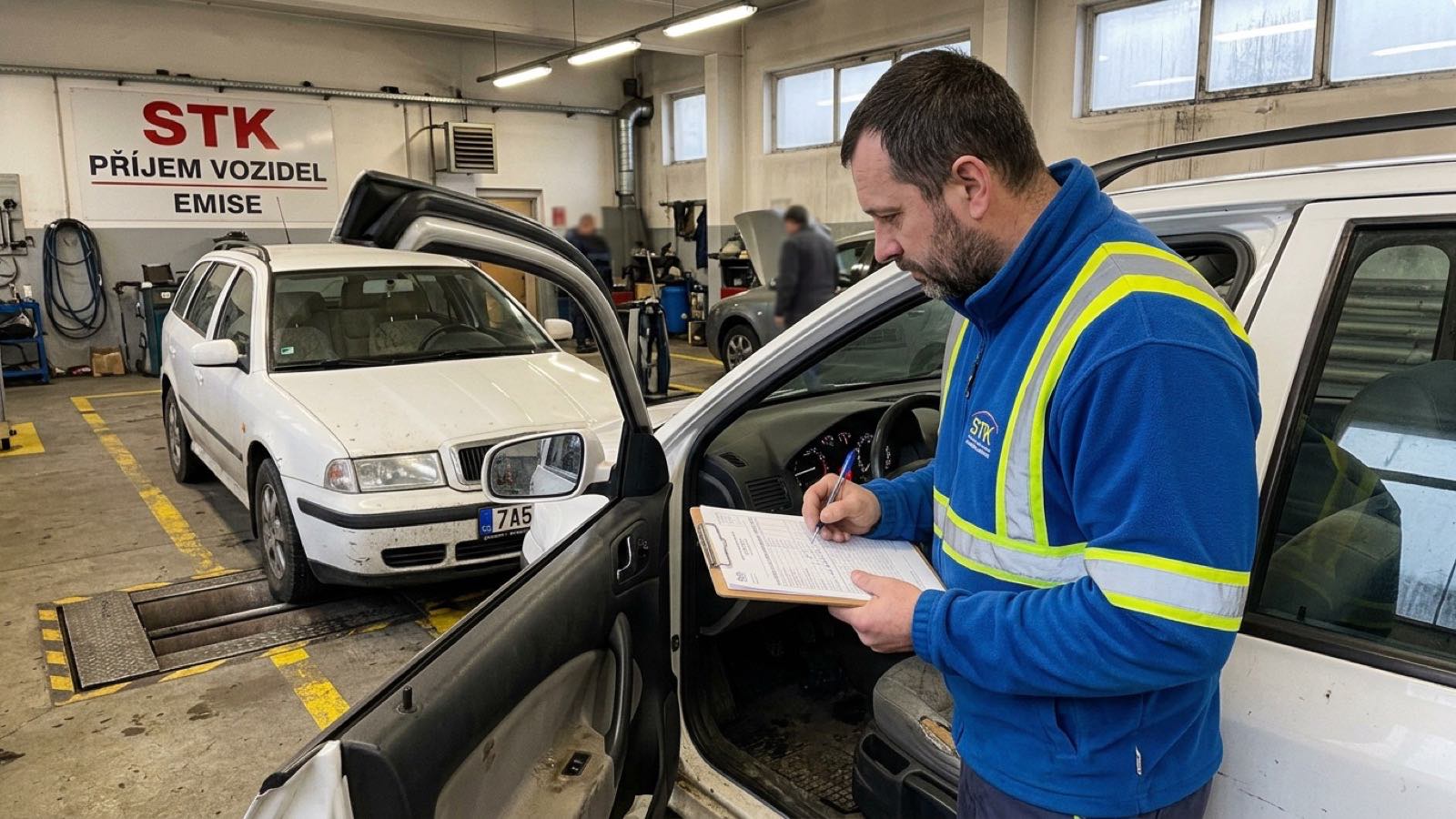
Kontrolatachometru.cz is the Czech Ministry of Transport's official odometer tool. Enter a VIN and a captcha code, and it returns the mileage readings recorded on a car's odometer during technical inspections at STK stations and at emissions testing stations. The tool itself warns, on the page, that these readings may not reflect the vehicle's actual current mileage. It is a record of what was officially logged, not a guarantee that the odometer was never tampered with, not least because nothing gets logged between two inspections.
Kontrolatachometru.cz is the Czech Ministry of Transport's official mileage-check tool. Enter a VIN and type in a captcha code, and it returns the readings recorded on a car's odometer during technical inspections at STK stations and at emissions testing stations. The tool itself flags, right on the page, that these figures may not reflect the vehicle's actual, current mileage. It's a check against what was officially logged, not a guarantee that the odometer was never touched.
Applies to: the Czech Republic, vehicles with a VIN held in the Registr silničních vozidel Source: Ministry of Transport of the Czech Republic, kontrolatachometru.cz Checked: August 2026 Main exception: the tool only shows readings logged at STK and emissions inspections, not the car's true current mileage
How the tool actually works
The page has one purpose and one main field: type in the 17-character VIN, copy the code shown in a distorted image, and hit search. No login, no fee mentioned anywhere on the page.
The data source is straightforward: every time a car goes through a technical inspection or an emissions test, the station logs whatever the odometer reads into the register. Kontrolatachometru.cz surfaces those logged readings for a given VIN. It draws on essentially the same network of STK and emissions-testing stations behind the inspection history covered in this companion article, just reading a different field, mileage rather than inspection type and outcome.
What it shows, and what it doesn't
The tool lists recorded values; it doesn't hand down a verdict. Based on how the page describes itself, there's no indication it automatically judges whether the sequence of readings is consistent the way some other countries' registers do: it simply lists what was logged at each inspection. Whether the numbers make sense together is left to you to check.
The application spells out the limitation itself, and it's worth quoting in full: "Aplikace zobrazuje hodnoty zjištěné na počítadle ujeté vzdálenosti vozidla při technických prohlídkách vozidla na stanicích technické kontroly a stanicích měření emisí a nemusí odrážet skutečný (aktuální) celkový stav ujetých kilometrů vozidla" (the application shows values found on the vehicle's odometer during technical inspections at inspection stations and emissions testing stations, and may not reflect the vehicle's actual current total mileage). The reason is simple: nothing gets logged between two inspections. Drive a few thousand kilometres the month before your next STK, and it'll show on the dash long before it shows in the register.
Why the gaps between inspections matter
The same gap that limits inspection history limits this tool too. If someone wound the odometer back right after one inspection and nudged it up to a plausible-looking figure before the next, this log wouldn't catch it, the tool only sees the moment of each inspection, not what happened in between. That's exactly why readings from this tool are worth cross-checking against other sources, the service book, garage invoices, older listings, rather than treated as the only proof you need. The physical wear signs that are harder to fake, along with the paperwork mismatches worth watching for, are covered in our general odometer fraud guide, which applies regardless of country.
What Plateop does with this
A report for a Czech car by VIN at cesko.plateop.com pulls current technical data through the official register interface, and, where the source allows it, adds a history of mileage readings recorded at each technical inspection, built from the Ministry of Transport's own published inspection archive. Unlike a bare readout, the report also flags it directly if it finds a drop anywhere in that sequence, a later reading lower than an earlier one. This layer comes from a periodic batch delivery, so the most recent reading can be missing for a few weeks, and for some VINs it won't appear at all. The report always states plainly what came straight from the register and what Plateop added.
What this means for the buyer
Verify the VIN against the metal plate or the vehicle's registration document, not against whatever the seller tells you, then look it up at kontrolatachometru.cz or through a report that processes the same data for you. A drop anywhere in the sequence is a clear signal to dig further, not a detail to shrug off. And even when the sequence looks fine, check it against the service book and older STK protocols too, because the tool itself checks nothing between two inspections, and says so on its own page.